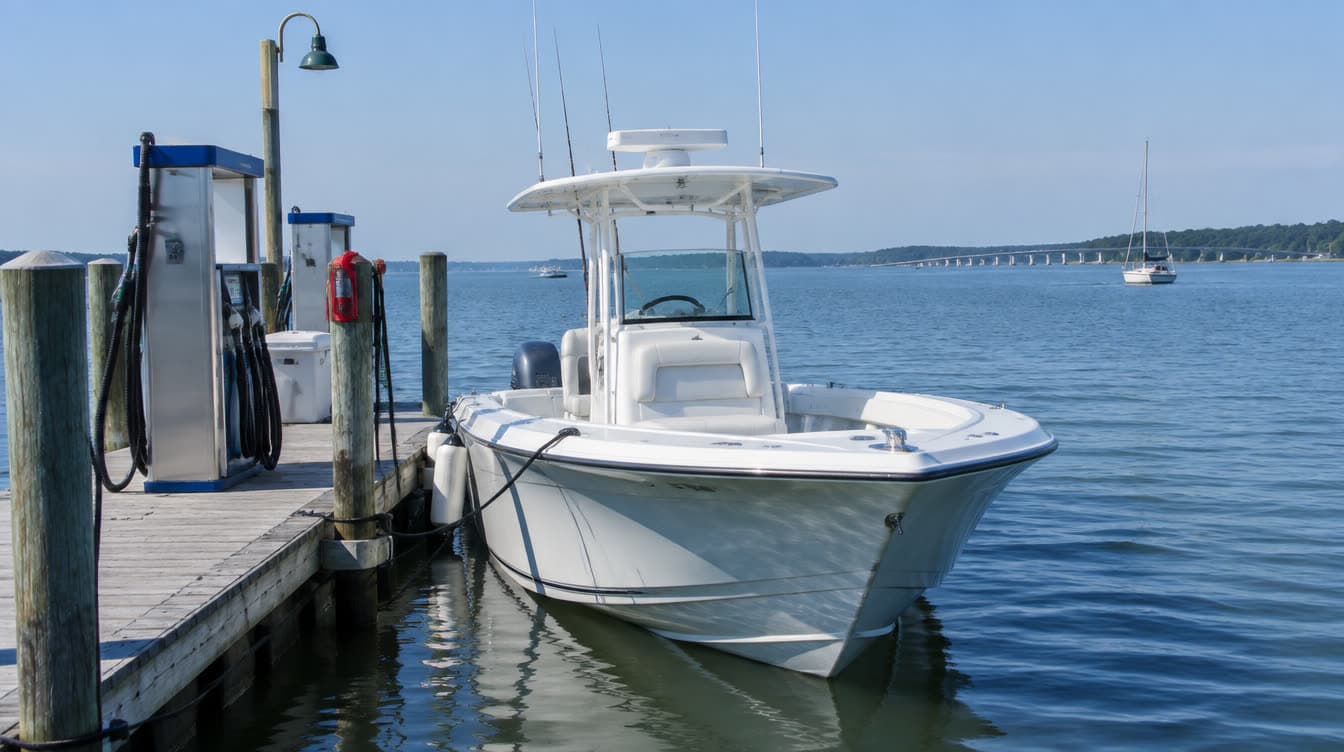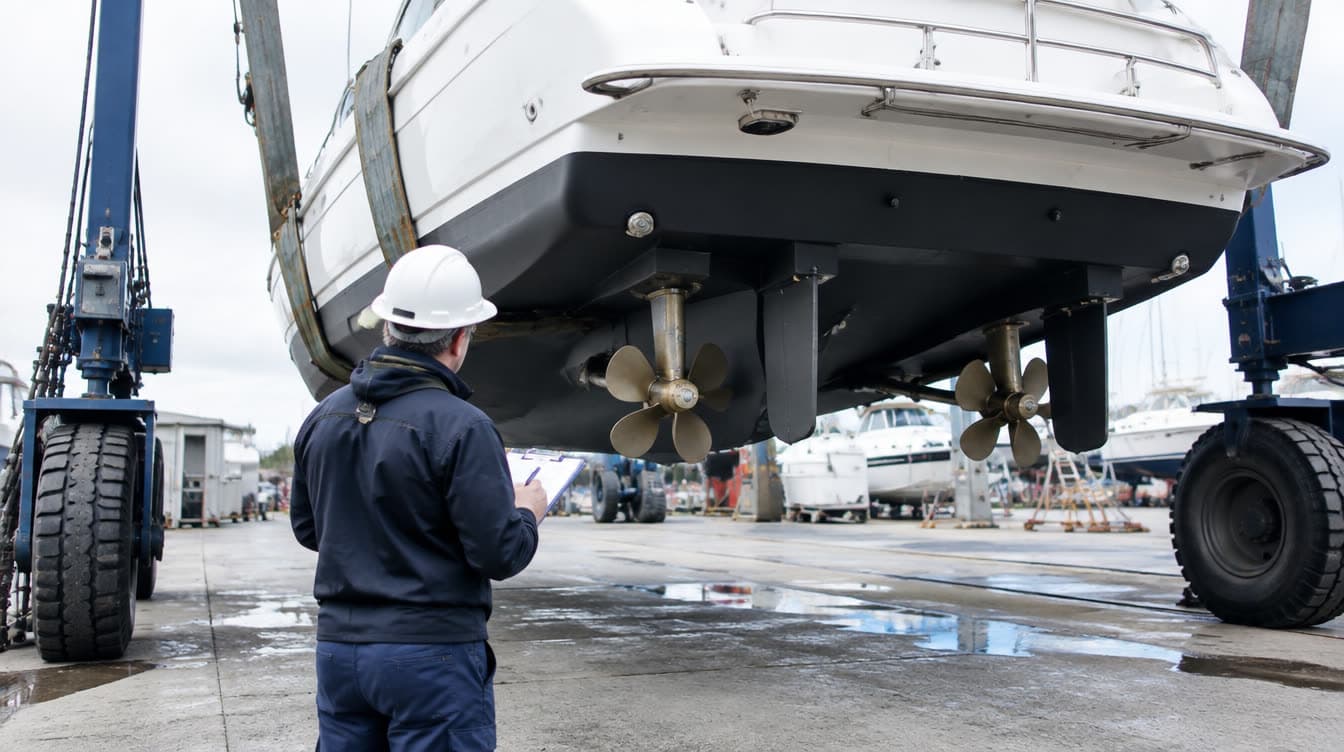
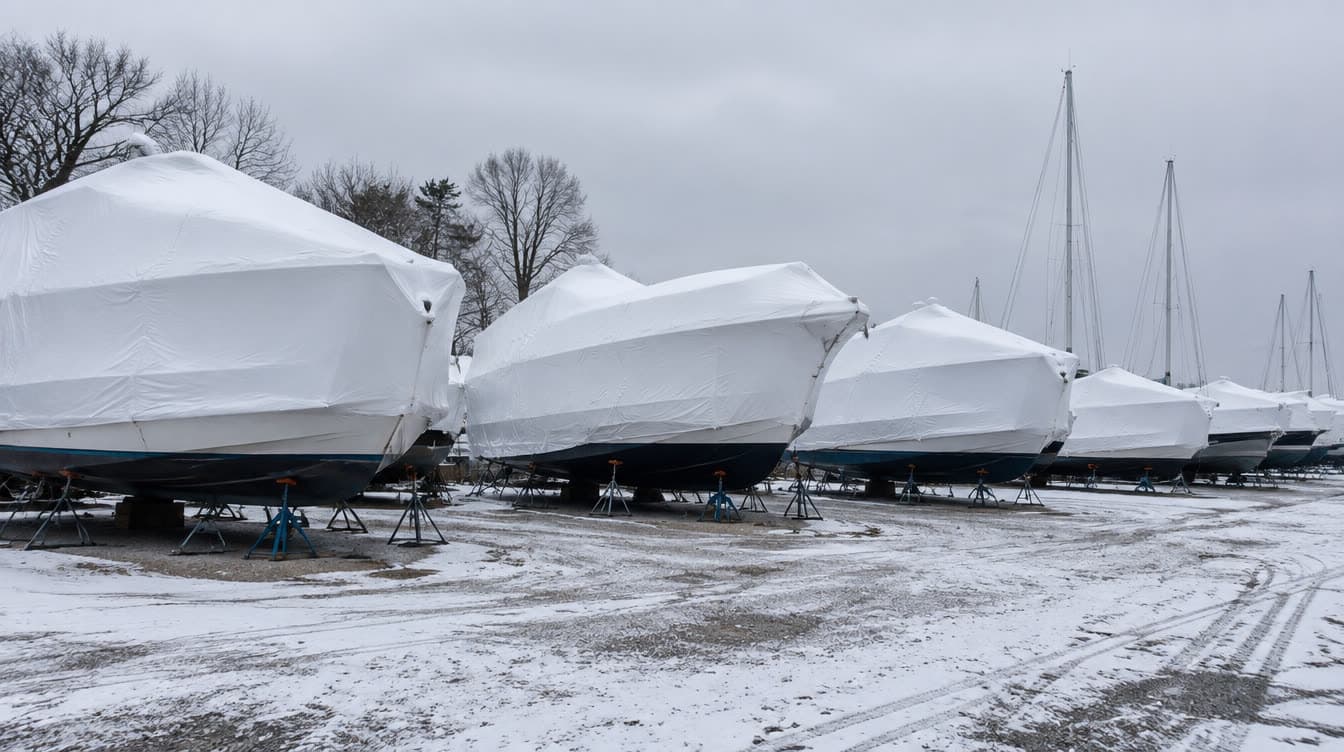
Chesapeake winters are cold enough to crack an engine block or a water line, so every boat that stays in the region needs winterizing before the first hard freeze. Many owners have their yard do it; others do some or all of it themselves. Either way, this is the list, and your engine manufacturer's manual has the final word on your specific machinery.
Decide where the boat spends the winter
Most boats on the upper Bay come out of the water and go on stands for the winter. Some stay in, with bubblers or de-icers in the slip. Book your haul-out and storage early in the fall, because yards fill up. Check your insurance policy too: many have a lay-up period and conditions attached to it.
Engines and fuel
- Change the engine oil and filters while the engine is warm
- Add fuel stabilizer and run it through the system
- Fill diesel tanks to limit condensation, per your manual
- Run non-toxic antifreeze through the raw water cooling system
- Fog gasoline engines if the manufacturer recommends it
- Change the lower unit or outdrive gear oil and check for water
Water systems
- Drain the fresh water tank and water heater
- Pump non-toxic antifreeze through every faucet, shower and the head
- Winterize the air conditioning, washdown and livewell plumbing
- Close the seacocks once everything is drained
Batteries, electrics and covers
- Charge the batteries fully and keep them on a maintainer, or remove them
- Take electronics and valuables home if you can
- Leave hatches and lockers slightly open for ventilation
- Shrink wrap or cover the boat, with vents to prevent mildew
If you are selling
A boat can be shown and surveyed on the hard over the winter, and a well-winterized boat with a tidy cover is a much better first impression than one that looks forgotten. If you plan to sell in spring, talk to your broker in the fall so photos and pricing are ready before the rush.
Want a broker to walk you through it?
Selling this spring? Start now