The marine survey is the single most important step in buying a used boat. It is a professional, independent inspection that gives you a snapshot of the boat's condition and an opinion of its value, and it is usually what your lender and your insurer rely on too.
What a pre-purchase survey covers
A condition and valuation survey looks at the whole boat: the hull and deck, the structure, the running gear, the electrical and plumbing systems, the safety equipment and the general state of maintenance. The surveyor then writes a report listing their findings, usually ranked from safety items that need attention now to cosmetic notes, along with an opinion of fair market value.
- Hull, deck and structural condition, including moisture readings
- Running gear: shafts, props, rudders, through-hulls
- Electrical and plumbing systems
- Safety equipment and compliance items
- An opinion of fair market value
The haul-out and the engine survey
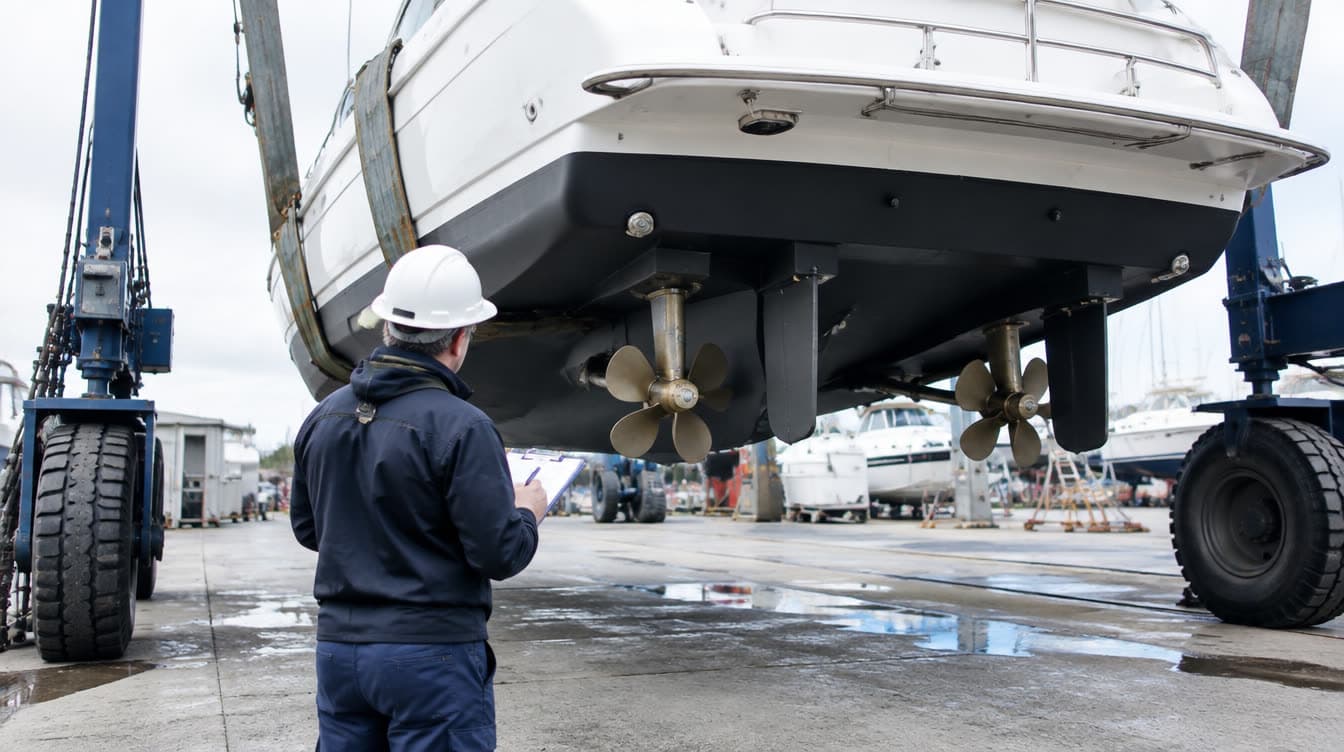
Part of the survey happens with the boat out of the water, so the surveyor can see the bottom and the running gear. The buyer normally arranges and pays for the haul-out.
Hull surveyors generally do not open up engines. For anything with significant machinery, a separate engine survey by a mechanic who knows that make is money well spent, and oil samples sent to a lab for analysis can reveal wear that a visual check cannot.
Who does what
The buyer chooses and pays the surveyor, because the surveyor works for the buyer. Look for an accredited surveyor with experience in the type of boat you are buying. It is the seller's job to prepare the boat for survey: accessible, clean, with the systems working and the paperwork to hand.
On a typical deal you have about three weeks from the accepted offer to complete the survey and sea trial, so book early, especially in spring when surveyors and yards are busiest.
What to do with the findings
Almost every survey finds something. What matters is whether the findings change the value of the boat or the cost of owning it. Minor items are part of owning any used boat. Significant findings, especially structural issues or anything your insurer will require you to fix, are a legitimate reason to renegotiate the price, ask the seller to make repairs, or walk away under the survey contingency.
Your broker's job at this stage is to help you separate what matters from what does not, and to put a realistic number on it.
Valuation surveys for sellers
Sellers sometimes commission their own survey before listing. It surfaces problems early, when you can fix them on your own schedule instead of under the pressure of a buyer's deadline, and it gives you an independent view of value to set against the comparables.
Want a broker to walk you through it?
How buying a boat works