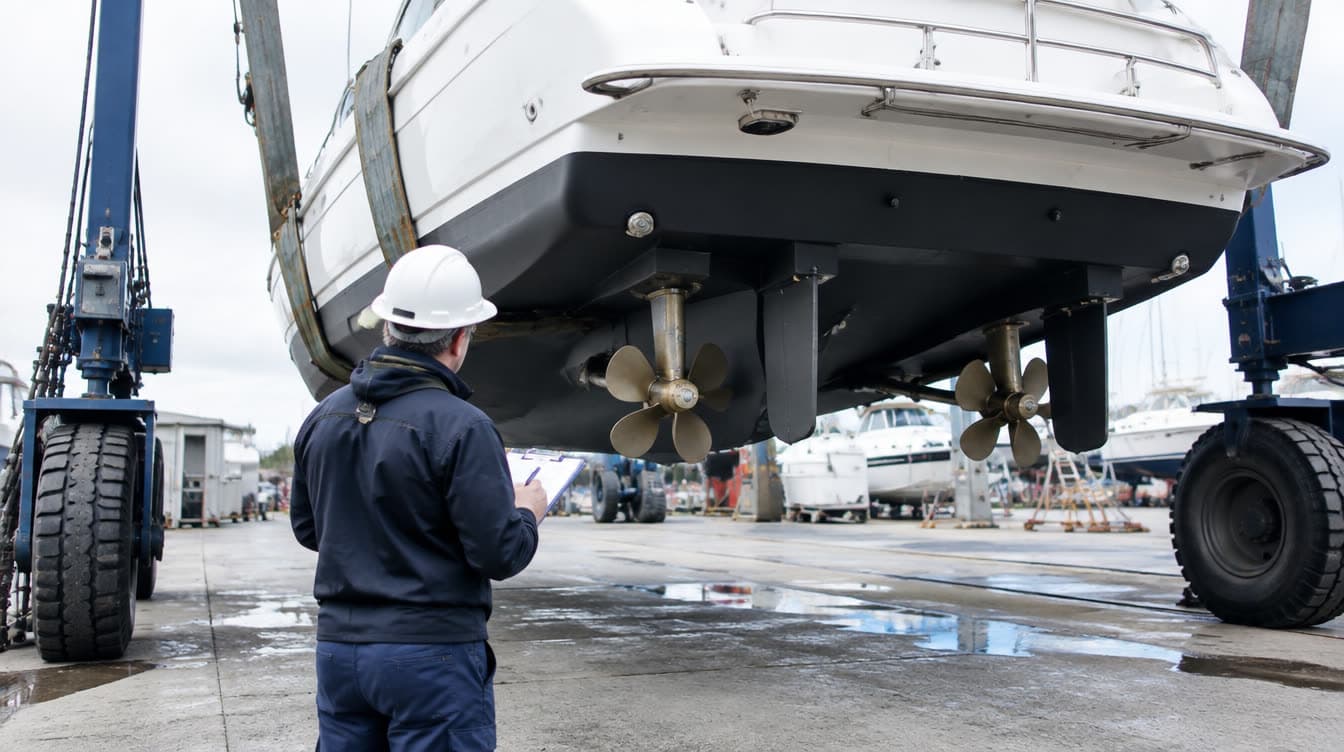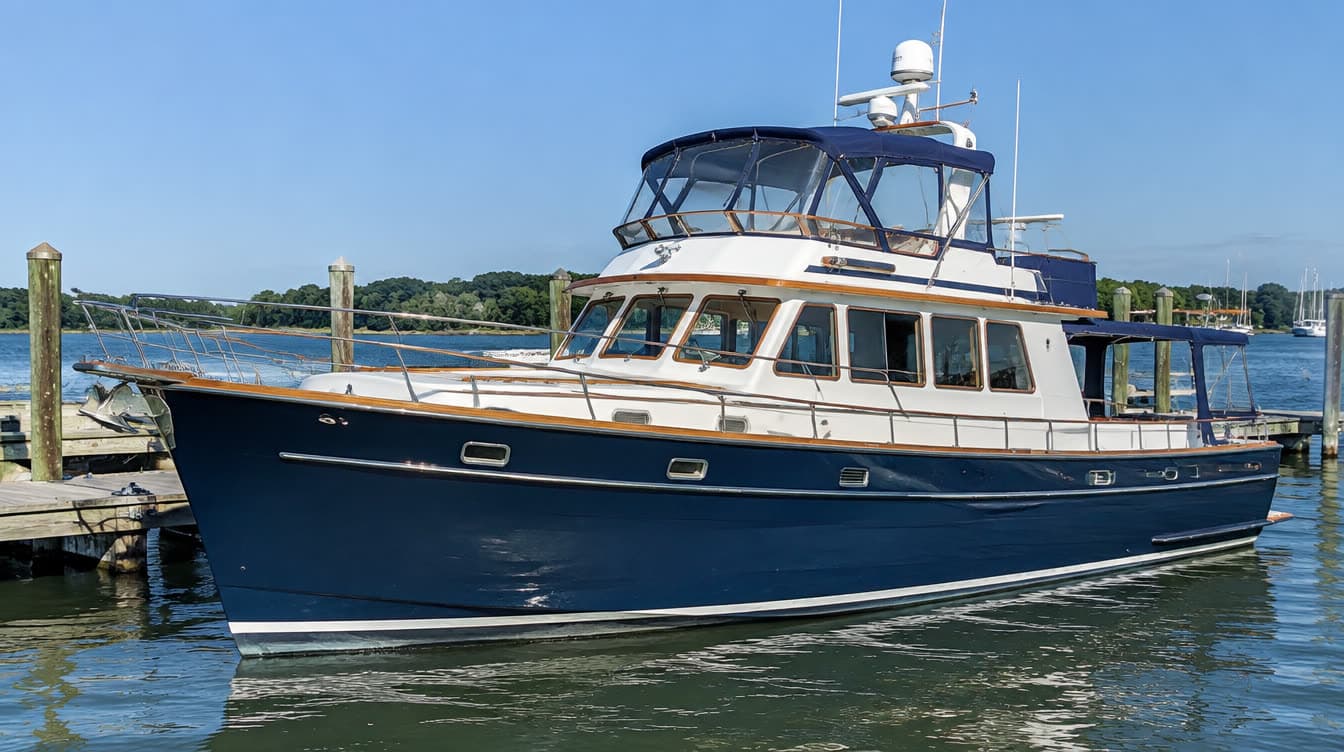

A sea trial is your chance to see how the boat behaves on the water and whether everything works the way the listing says it does. It usually happens alongside the survey, and a good one is methodical rather than a pleasant ride around the harbor.
Before you leave the dock
Ask for the engines to be cold when you arrive, so you can see and hear them start from cold. Walk the boat with the listing in hand and check that the equipment is actually there.
- Engines start cleanly from cold, with no heavy smoke
- Bilges are dry and clean, with no fresh oil or coolant
- Batteries, chargers and shore power work
- Electronics, lights, pumps and horn all function
- Canvas, cushions and hatches are in the condition described
Underway
Run the boat through its whole range, not just at a comfortable cruise. Watch the gauges the whole time and ask the surveyor or engine surveyor what they want to see.
- Reach the rated top RPM under load, and hold it briefly
- Engine temperatures and pressures stay steady
- Steering is smooth, with no play or unusual noise
- Vibration is minimal at every speed
- On a sailboat, set and trim every sail and check the winches and furlers
- Test the autopilot, thrusters and navigation electronics
Back at the dock
Check the bilges and engine rooms again while everything is hot. Leaks that do not show at the dock often show after a hard run. Look for fresh drips, smells and anything that has shifted.
Then take notes while it is fresh. Your impressions from the sea trial, together with the surveyor's report, are what you will use to decide whether to accept the boat.
Sea trial versus demo ride
A casual demo ride before you make an offer is a good way to decide whether a boat suits you. The formal sea trial comes after the offer, with your surveyor aboard, and it is part of the contingency period. Both are worth doing, but they answer different questions.
Want a broker to walk you through it?
How buying a boat works